
Our lab advances resilient, intelligent, and data-driven infrastructure systems through three interconnected research areas: Resilient & Interdependent Infrastructure Systems, Intelligent Transportation & Mobility Systems, and AI & Digital Twins for Infrastructure. We study how infrastructure systems withstand and recover from disruptions, how transportation and mobility systems can become safer and more adaptive, and how AI, digital twins, sensing, and simulation can support better infrastructure planning, management, and decision-making.
Research

Resilient & Interdependent Infrastructure Systems
We study how transportation and other critical infrastructure systems respond to disruptions, cascading failures, and cross-system dependencies. Our research develops data-driven, network-based, and simulation-based methods to assess vulnerability, model risk under uncertainty, support resilience-aware resource allocation, and improve recovery and adaptation strategies.
Intelligent Transportation & Mobility Systems
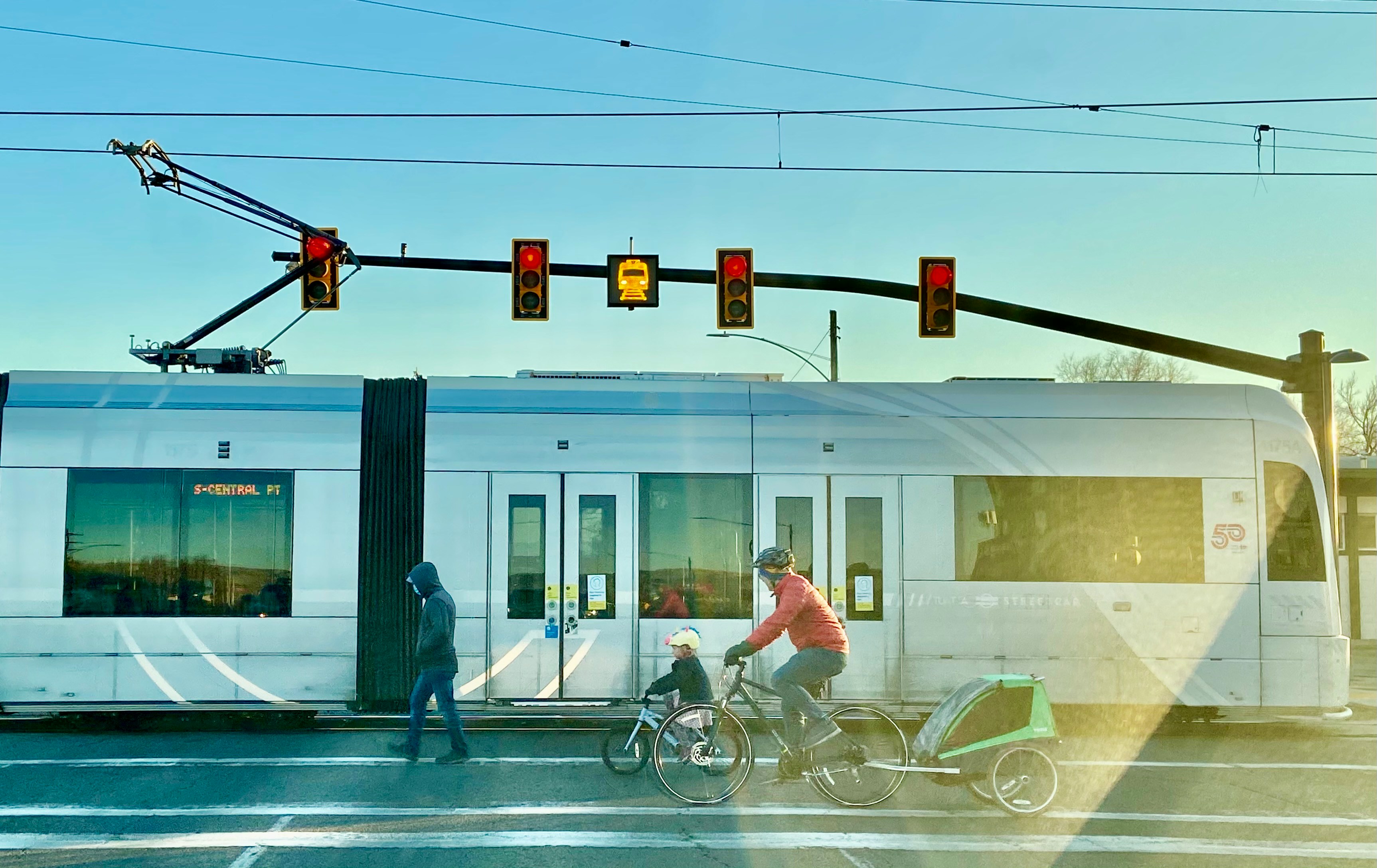
We develop data-driven and intelligent methods for safer, more efficient, and adaptive transportation and mobility systems. Our research covers public transportation, multimodal mobility, traffic operations, sensing, connected transportation, and resilience, with a focus on improving system performance under both routine and disruptive conditions.

AI & Digital Twins for Infrastructure
We apply artificial intelligence, machine learning, sensing, simulation, and digital twins to infrastructure monitoring, prediction, and decision support. Our research connects physical infrastructure systems with data-driven models to support condition assessment, system management, planning, optimization, and resilience.